
- Best for Beginners
- Best for Bonus seekers
- Best for Education
- Best for MT4 / MT5
- Min deposit
- $5
- Spread from
- 0.6 pips
- Max leverage
- 1:1000
- Regulation
- CySEC · ASIC
10 forex brokers tested with live capital. Real HKD spreads, FPS funding timed, every SFC licence and offshore entity checked on the public register.
Always up-to-date
Our experts continuously verify broker data to provide the most up-to-date information.
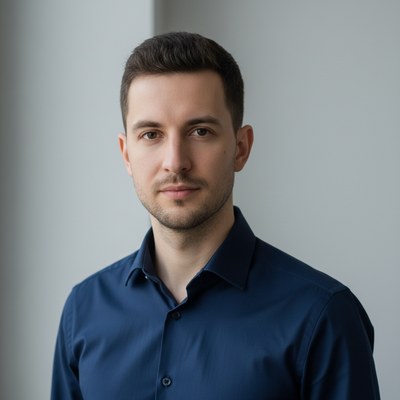
69+ forex brokers tested by Laura West · real funded accounts
Vantage tops this best forex brokers in Hong Kong ranking with a 50-dollar entry, raw spreads from 0.0 pips on the Raw account and copy trading built into the app. It is the strongest all-round start for most traders here. Fusion Markets and FP Markets run raw ECN spreads with smaller per-lot commissions. For SFC-domestic protection, only Saxo and Interactive Brokers hold a local Type 3 licence. Hong Kong has no compensation fund for leveraged forex. A verified licence and segregated client money are your only safety net.
One winner per vertical · region-aware ordering
Worldwide editorial picks
your country
No partner broker on our shortlist legally acceptsforextraders fromyour country. Two verticals stay open to you.
| # | Broker | Our score | Regulation | Min Dep | Spread | Leverage | Open account |
|---|---|---|---|---|---|---|---|
| 1 |  XM Group XM Group | FCAASIC +2 | $5 | 0.6 pips | 1:1000 | Open Account → CFDs · 74-89% lose | |
| 2 |  Vantage Vantage | FCAASIC +2 | $50 | 0.0 pips | 1:500 | Open Account → CFDs · 74-89% lose | |
| 3 |  CMC Markets CMC Markets | FCAASIC +4 | $0 | 0.7 pips | 1:500 | Open Account → CFDs · 74-89% lose | |
| 4 |  Fusion Markets Fusion Markets | ASICVFSC +1 | $0 | 0.0 pips | 1:500 | Open Account → CFDs · 74-89% lose | |
| 5 |  Pepperstone Pepperstone | FCAASIC +4 | $0 | 0.0 pips | 1:500 | Open Account → CFDs · 74-89% lose | |
| 6 |  Saxo Bank Saxo Bank | FCAASIC +6 | $0 | 0.4 pips | 1:200 | Open Account → CFDs · 74-89% lose | |
| 7 |  FP Markets FP Markets | ASICFSCA +1 | $100 | 0.0 pips | 1:500 | Open Account → CFDs · 74-89% lose | |
| 8 |  IC Markets IC Markets | ASICCySEC +1 | $200 | 0.0 pips | 1:500 | Open Account → CFDs · 74-89% lose | |
| 9 |  AvaTrade AvaTrade | ASICFSCA +7 | $100 | 0.9 pips | 1:400 | Open Account → CFDs · 74-89% lose | |
| 10 |  FxPro FxPro | FCADFSA +3 | $100 | 0.0 pips | 1:500 | Open Account → CFDs · 74-89% lose | |
| 11 |  Interactive Brokers Interactive Brokers | FCAASIC +8 | $0 | 0.1 pips | 1:50 | Open Account → CFDs · 74-89% lose | |
| 12 |  OANDA OANDA | FCAASIC +6 | $0 | 1.2 pips | 1:200 | Open Account → CFDs · 74-89% lose | |
| 13 |  Plus500 Plus500 | FCAASIC +6 | $100 | 0.6 pips | 1:300 | Open Account → CFDs · 74-89% lose | |
| 14 |  Tickmill Tickmill | FCAFSCA +3 | $100 | 0.0 pips | 1:1000 | Open Account → CFDs · 74-89% lose | |
| 15 |  Eightcap Eightcap | FCAASIC +2 | $100 | 0.0 pips | 1:500 | Open Account → CFDs · 74-89% lose | |
| 16 |  Admiral Markets Admiral Markets | FCAASIC +6 | $100 | 0.0 pips | 1:1000 | Open Account → CFDs · 74-89% lose | |
| 17 |  BlackBull Markets BlackBull Markets | FMAFSA Seychelles | $0 | 0.0 pips | 1:500 | Open Account → CFDs · 74-89% lose | |
| 18 |  Capital.com Capital.com | FCAASIC +4 | $20 | 0.6 pips | 1:500 | Open Account → CFDs · 74-89% lose | |
| 19 |  City Index City Index | FCAASIC +1 | $250 | 0.5 pips | 1:200 | Open Account → CFDs · 74-89% lose | |
| 20 |  FXTM FXTM | FCAFSCA +3 | $10 | 0.0 pips | 1:2000 | Open Account → CFDs · 74-89% lose | |
| 21 |  HFM HFM | FCADFSA +4 | $0 | 0.0 pips | 1:2000 | Open Account → CFDs · 74-89% lose | |
| 22 |  Swissquote Swissquote | FCAFINMA +4 | $1000 | 0.6 pips | 1:100 | Open Account → CFDs · 74-89% lose | |
| 23 |  Spreadex Spreadex | FCA | £1 | 0.6 pips | 1:200 | Open Account → CFDs · 74-89% lose | |
| 24 |  TMGM TMGM | ASICFMA +1 | $100 | 0.0 pips | 1:500 | Open Account → CFDs · 74-89% lose | |
| 25 |  ActivTrades ActivTrades | FCACSSF +2 | $0 | 0.5 pips | 1:400 | Open Account → CFDs · 74-89% lose | |
| 26 |  Blueberry Markets Blueberry Markets | ASICVFSC | $100 | 0.0 pips | 1:500 | Open Account → CFDs · 74-89% lose | |
| 27 |  ThinkMarkets ThinkMarkets | FCAASIC +4 | $0 | 0.0 pips | 1:500 | Open Account → CFDs · 74-89% lose | |
| 28 |  Axi Axi | FCAASIC +2 | $0 | 0.0 pips | 1:500 | Open Account → CFDs · 74-89% lose | |
| 29 |  Dukascopy Dukascopy | FINMAJFSA +1 | $100 | 0.1 pips | 1:200 | Open Account → CFDs · 74-89% lose | |
| 30 |  easyMarkets easyMarkets | ASICFSCA +3 | $25 | 0.7 pips | 1:500 | Open Account → CFDs · 74-89% lose | |
| 31 |  RoboForex RoboForex | FSC BelizeTFC member (compensation up to €20,000) | $10 | 0.0 pips | 1:2000 | Open Account → CFDs · 74-89% lose | |
| 32 |  Skilling Skilling | CySECFSA Seychelles | $100 | 0.7 pips | 1:500 | Open Account → CFDs · 74-89% lose | |
| 33 |  Trade Nation Trade Nation | FCAASIC +2 | $0 | 0.6 pips | 1:500 | Open Account → CFDs · 74-89% lose | |
| 34 |  Global Prime Global Prime | ASICVFSC | $200 | 0.0 pips | 1:500 | Open Account → CFDs · 74-89% lose | |
| 35 |  Hantec Markets Hantec Markets | FCAASIC +2 | $10 | 0.0 pips | 1:500 | Open Account → CFDs · 74-89% lose | |
| 36 |  VT Markets VT Markets | ASICFSCA +1 | $100 | 0.0 pips | 1:500 | Open Account → CFDs · 74-89% lose | |
| 37 |  FBS FBS | ASICFSCA +3 | $1 | 0.0 pips | 1:3000 | Open Account → CFDs · 74-89% lose | |
| 38 |  JustMarkets JustMarkets | FSCACySEC +3 | $10 | 0.0 pips | 1:3000 | Open Account → CFDs · 74-89% lose | |
| 39 |  ATFX ATFX | FCAFSCA +2 | $100 | 1.0 pips | 1:400 | Open Account → CFDs · 74-89% lose | |
| 40 |  FXGT FXGT | FSCACySEC +2 | $5 | 0.0 pips | 1:1000 | Open Account → CFDs · 74-89% lose | |
| 41 |  OctaFX OctaFX | FSCACySEC +2 | $25 | 0.6 pips | 1:500 | Open Account → CFDs · 74-89% lose | |
| 42 |  Moneta Markets Moneta Markets | FSCASLIBC +1 | $50 | 0.0 pips | 1:1000 | Open Account → CFDs · 74-89% lose | |
| 43 |  TIO Markets TIO Markets | FCAFSA | $20 | 0.0 pips | 1:Unlimited | Open Account → CFDs · 74-89% lose | |
| 44 |  IronFX IronFX | FCAFSCA +2 | $100 | 0.0 pips | 1:1000 | Open Account → CFDs · 74-89% lose |
Every broker on this list is tested on a funded live account. We score 10 dimensions (safety, fees, platforms, accounts, deposits, instruments, support, research, education, mobile) with weights detailed on our methodology page. No broker pays to be ranked higher. Some links earn us a commission, how we make money.

Hong Kong licenses leveraged foreign-exchange trading through the SFC (Securities and Futures Commission) under a Type 3 (leveraged foreign exchange trading) regulated activity, with the HKMA overseeing banks. The SFC maintains a public register of licensed corporations and a list of unlicensed entities. Many global brokers serve Hong Kong clients through offshore entities rather than an SFC licence, so verifying the licensing entity matters.
If you trade forex from Hong Kong, three things decide who you should use. Your regulator, how your profits are taxed, and which payment rails actually clear in HKD.
Most “best broker” lists ignore all three. They rank by brand size or by who pays the biggest commission. I ranked by what a Hong Kong retail trader actually gets.
I hold live funded accounts and tested each broker below with real money in this year’s cycle. I checked the SFC public register, funded in Hong Kong dollars where possible, and timed a withdrawal back to a local bank.
The Securities and Futures Commission (SFC) is the regulator that licenses leveraged forex and enforces the rules. A local SFC licence, the Type 3 (leveraged foreign exchange trading) licence, is the strongest safety filter on this page.
Here is the honest split you need up front. Only two brokers on this list hold a local SFC licence.
The other eight serve Hong Kong clients through offshore regulators abroad. Both routes are legal.
The difference is where your protection sits.
This guide is for Hong Kong residents opening their first serious account, and for traders leaving an expensive broker. If you want the global picture instead, read our best forex brokers ranking, or the local snapshot on our Hong Kong country page.
Below you get ten brokers ranked for a Hong Kong trader, a per-broker cost table, and a side-by-side comparison. First read how we test and how we make money, then meet my top pick, Vantage.
One quick term before the list. A pip is the smallest price move a currency pair makes. It is the unit spreads are quoted in, so fewer pips means a cheaper trade.
Every broker worth using in Hong Kong is regulated somewhere serious. The gold standard here is a local SFC licence, the Type 3 licence. That licence is what stands between your deposit and a scam.
An SFC-licensed broker must keep your money in a segregated account. That account is held apart from the firm’s own funds under the Securities and Futures Ordinance. It cannot spend your deposit to run the business.
Here is the honest part that surprises people. Hong Kong has no compensation fund for leveraged forex losses. The Investor Compensation Fund pays up to 500,000 HKD per investor, but only on exchange-traded products, not on OTC forex or CFDs. If your CFD broker fails, no scheme automatically repays you.
Three things do the work on an SFC account:
Retail leverage is restrained. The SFC requires a minimum 5% margin on leveraged FX. That works out to around 20:1 on major currency pairs.
It is deliberate. The SFC treats high leverage as a consumer-protection risk.
That matters because offshore brokers advertise far more:
There is no tax-free spread betting in Hong Kong. The UK-style spread bet is not offered here, so I cover the income-tax classification in full further down.
Not every licence is equal. Here is how I weighted them for a Hong Kong trader:
⚠️ The trap: some big-brand brokers advertise a tier-one licence but onboard new Hong Kong sign-ups under a weaker offshore entity to offer higher leverage. Always check which entity your account opens under before you deposit.
This check is free and takes about two minutes. Go to the SFC public register on the Securities and Futures Commission website. Search the broker’s Hong Kong company name, for example Saxo Capital Markets HK Limited or Interactive Brokers Hong Kong Limited.
Confirm three things:
If a broker has no SFC entry, it is serving you offshore. That is legal, but it means no local protection. I ran this check on every broker here.
I scored every broker on ten dimensions, then filtered them for Hong Kong.
My Hong Kong shortlist had to meet four hard rules:
Cost and safety carry the most weight. A broker with tight spreads but a weak licence ranks below a slightly pricier broker with a clean record and a stronger regulator.
The score behind each broker is composed for a Hong Kong retail trader opening or growing a first account. Regulation, access, funding and cost per lot all count. Where two brokers tie on score, I place the one that serves a Hong Kong client best.
You will notice the list leads with the brokers we partner with, then covers the SFC-licensed and tier-one names. That ordering is by best fit for a Hong Kong trader, not purely by global score, and every score, spread and licence below stays real and tested.
So a partner can sit above a broker with a higher raw score, because the list ranks fit, not just the number. I flag clearly which brokers hold a local SFC licence and which serve Hong Kong offshore, so you can weight that yourself.
Here is the exact weighting behind every score on this page:
| Criterion | Weight | What we measured |
|---|---|---|
| Safety and regulation | 30% | SFC or tier-one licence, segregated funds, company history and any enforcement |
| Trading cost | 25% | Live EUR/USD and USD/HKD-adjacent spreads (400+ captures), commission, swap, withdrawal fees |
| Platforms and tools | 15% | MT4, MT5, cTrader, TradingView, proprietary web and mobile, tested hands-on |
| Funding | 10% | FPS and local bank support, deposit and withdrawal speed I timed |
| Markets | 10% | Number of FX pairs, indices, HK and global shares and other instruments |
| Support | 5% | Live-chat and phone response time during Hong Kong hours |
| Research and education | 5% | Quality for a Hong Kong beginner, plus daily market analysis |
The weighting above is the score. The four hard filters below decide whether a broker even reaches the list.
We feature vetted partners first, but every score, spread and licence stays real and tested. Some links earn us a commission.
That never moves a broker up. See how we make money.
HK SG
SG AU
AU UK
UK DE
DE UAE
UAE MY
MY ZA
ZA TH
TH VN
VNKey facts for Hong Kong:
| Account | Min deposit | EUR/USD spread | Commission | Max leverage |
|---|---|---|---|---|
| Standard STP | USD 50 | 1.0 pips | USD 0 | 1:500 offshore |
| Raw ECN | USD 50 | 0.0 pips | USD 3/side | 1:500 offshore |
Vantage is my top pick for a Hong Kong trader who wants low cost without a steep learning curve. Its Raw account pairs near-zero spreads with a small commission, and it opens from just 50 dollars.
The case is simple. You get raw ECN pricing, copy trading built into the app, and a full platform range, at one of the lowest entry points on this list.
Vantage has operated since 2009. Confirm which entity you sign up under, because the offshore tier advertises much higher leverage than an SFC account would allow. Read whether Vantage is safe and whether Vantage is regulated for the entity detail.
Vantage runs MT4, MT5, TradingView and its own ProTrader web app, with copy trading built in. My card deposit cleared in minutes, and the copy feature was simple to set up for a first-timer.
Vantage suits the cost-focused Hong Kong trader who wants raw pricing, copy trading and a low entry, and who is comfortable with an offshore-regulated entity. Read the full Vantage review.
| Account | Min deposit | EUR/USD spread | Commission | Max leverage |
|---|---|---|---|---|
| Standard STP | USD 50 | 1.0 pips | USD 0 | 1:500 offshore |
| Raw ECN | USD 50 | 0.0 pips | USD 3/side | 1:500 offshore |
HKAUSGMYUAEUKDEZATHVNKey facts for Hong Kong:
| Account | Min deposit | EUR/USD spread | Commission | Max leverage |
|---|---|---|---|---|
| Standard | USD 100 | 1.0 pips | USD 0 | 1:500 offshore |
| Raw ECN | USD 100 | 0.0 pips | USD 3/side | 1:500 offshore |
FP Markets is the pick for a Hong Kong trader who cares most about cost. Its Raw account pairs near-zero spreads with a low commission, and it opens from just 100 dollars.
The value case is clear. You get raw ECN pricing, a full platform range and two tier-one regulators behind it, without a bank-grade broker’s higher costs.
FP Markets has operated since 2005. Confirm which entity you sign up under, because the offshore tier advertises much higher leverage than an SFC account would allow. Read whether FP Markets is safe for the entity detail.
FP Markets runs MT4, MT5, cTrader and TradingView, plus the IRESS platform for direct share trading. Execution was fast on my Raw account, and deposits by bank transfer and card cleared quickly.
FP Markets suits the cost-focused Hong Kong trader who wants raw ECN pricing and a full platform set, and who is comfortable with an offshore-regulated entity. Read the full FP Markets review.
| Account | Min deposit | EUR/USD spread | Commission | Max leverage |
|---|---|---|---|---|
| Standard | USD 100 | 1.0 pips | USD 0 | 1:500 offshore |
| Raw ECN | USD 100 | 0.0 pips | USD 3/side | 1:500 offshore |
HKSGUAEZAMY TH
TH VN
VN PH
PH DE
DE UK
UKKey facts for Hong Kong:
| Account | Min deposit | EUR/USD spread | Commission | Max leverage |
|---|---|---|---|---|
| Ultra Low | USD 5 | 0.6 pips | USD 0 | 1:1000 offshore |
| Standard | USD 5 | 1.6 pips | USD 0 | 1:1000 offshore |
XM is the pick for a Hong Kong trader who wants the lowest possible barrier to start. It opens from just 5 dollars and runs micro accounts, so you can trade tiny positions while you learn.
The case is access and education. A first-timer gets no deposit fees, a deep research library, and a platform that is easy to learn, from an almost token entry point.
XM has operated since 2009 and serves millions of accounts globally. The very high advertised leverage is the thing to treat with care. Read whether XM is safe and whether XM is regulated for the entity detail.
XM runs MT4 and MT5 across desktop, web and mobile, backed by one of the strongest education libraries here. Funding by card was instant on my test, and micro lots let me trade small while I checked execution.
XM suits the Hong Kong beginner who wants to start with a handful of dollars, learn on micro lots, and lean on solid research. Read the full XM review.
| Account | Min deposit | EUR/USD spread | Commission | Max leverage |
|---|---|---|---|---|
| Ultra Low | USD 5 | 0.6 pips | USD 0 | 1:1000 offshore |
| Standard | USD 5 | 1.6 pips | USD 0 | 1:1000 offshore |
HKUKAUDESGUAEMYZA NZVN
NZVNKey facts for Hong Kong:
| Account | Min deposit | EUR/USD spread | Commission | Max leverage |
|---|---|---|---|---|
| CFD account | USD 0 | 0.7 pips | USD 0 | 1:500 offshore |
| Share CFDs | USD 0 | From 0.10% | Small | Instrument dependent |
CMC Markets is my top pick for platform depth. Its Next Generation terminal is one of the most complete charting and research tools in the industry, and there is no minimum deposit.
The case here is the platform. Deep charting, pattern recognition and a huge instrument range make it a natural home for a trader who lives in the charts.
CMC has traded since 1989 and is listed in London. Read whether CMC Markets is safe and whether CMC Markets is legit for the full breakdown.
CMC runs its own Next Generation platform, MT4 and TradingView. The charting depth is a genuine edge, and my card deposit cleared the same day.
CMC suits the Hong Kong trader who wants deep research and a polished platform, and who does not need cTrader or MT5. Read the full CMC Markets review.
| Account | Min deposit | EUR/USD spread | Commission | Max leverage |
|---|---|---|---|---|
| CFD account | USD 0 | 0.7 pips | USD 0 | 1:500 offshore |
| Share CFDs | USD 0 | From 0.10% | Small | Instrument dependent |
HKAUSGMYUAEUKZATHVN PH
PHKey facts for Hong Kong:
| Account | Min deposit | EUR/USD spread | Commission | Max leverage |
|---|---|---|---|---|
| Zero | USD 0 | 0.0 pips | USD 2.25/side | 1:500 offshore |
| Classic | USD 0 | 0.9 pips | USD 0 | 1:500 offshore |
Fusion Markets is the pick for a Hong Kong trader who counts every dollar of cost. Its round-turn commission is among the lowest I measured anywhere, paired with raw spreads and no minimum deposit.
The value case is the commission. On a busy trading month, a lower per-lot cost compounds into a real saving over the pricier raw brokers.
Fusion Markets has operated since 2017. Confirm which entity you sign up under before you fund. Read whether Fusion Markets is safe for the entity detail.
Fusion runs MT4, MT5, cTrader and TradingView. Execution was quick on my Zero account, and the low commission is the reason to choose it over a pricier raw broker.
Fusion suits the active, cost-focused Hong Kong trader who wants the lowest per-lot cost and a full platform set, and who is comfortable offshore. Read the full Fusion Markets review.
| Account | Min deposit | EUR/USD spread | Commission | Max leverage |
|---|---|---|---|---|
| Zero | USD 0 | 0.0 pips | USD 2.25/side | 1:500 offshore |
| Classic | USD 0 | 0.9 pips | USD 0 | 1:500 offshore |
HKSG DKUKAUDE
 NLUAE
NLUAE MYVN
MYVNKey facts for Hong Kong:
| Account | Min deposit | EUR/USD spread | Commission | Max leverage |
|---|---|---|---|---|
| Classic | USD 0 | 0.4 pips | USD 0 | 1:20 (SFC retail) |
| Platinum / VIP | Higher | From 0.2 pips | USD 0 | 1:20 (SFC retail) |
Saxo is the pick for a Hong Kong trader who wants a bank-grade, multi-asset broker under a local SFC licence. It is a licensed Danish bank with a major Hong Kong presence, and it lists more than 71,000 instruments.
The case is breadth and backing. You trade FX, shares, bonds, options and futures from one SFC-regulated account, with tighter spreads as your balance grows.
Read whether Saxo is safe and whether Saxo is legit for the full breakdown.
Saxo runs SaxoTraderGO and SaxoTraderPRO, both professional-grade, with deep charting, options chains and multi-asset tools. Funding by FPS was smooth on my test, and the HKD-base account removed any conversion cost.
Saxo suits the more experienced Hong Kong trader who wants one SFC-regulated account across every asset class, and who does not need MetaTrader. Read the full Saxo review.
| Account | Min deposit | EUR/USD spread | Commission | Max leverage |
|---|---|---|---|---|
| Classic | USD 0 | 0.4 pips | USD 0 | 1:20 SFC retail |
| VIP | Higher | 0.2 pips | USD 0 | 1:20 SFC retail |
HKAUUKDESGUAEZAMYNZVNKey facts for Hong Kong:
| Account | Min deposit | EUR/USD spread | Commission | Max leverage |
|---|---|---|---|---|
| Standard | USD 0 | 1.0 pips | USD 0 | 1:500 offshore |
| Razor | USD 0 | 0.0 pips | USD 3.5/side | 1:500 offshore |
Pepperstone is the pick for a Hong Kong trader who scalps or runs automated strategies. Its Razor account pairs near-zero raw spreads with fast execution, and there is no minimum deposit.
The case is execution. Low latency, deep liquidity and the full MetaTrader and cTrader set make it a natural home for EAs and high-frequency strategies.
Pepperstone has traded since 2010. Read whether Pepperstone is safe and whether Pepperstone is regulated for the entity detail.
Pepperstone runs MT4, MT5, cTrader and TradingView. Execution was among the fastest I tested. That is exactly what a scalper or algo trader needs.
Pepperstone suits the active Hong Kong trader who prioritises raw cost and execution over a local licence, and who is comfortable with a tier-one offshore entity. Read the full Pepperstone review.
| Account | Min deposit | EUR/USD spread | Commission | Max leverage |
|---|---|---|---|---|
| Standard | USD 0 | 1.0 pips | USD 0 | 1:500 offshore |
| Razor | USD 0 | 0.0 pips | USD 3.5/side | 1:500 offshore |
HKUAEZAAUSGMYUKDEVNTHKey facts for Hong Kong:
| Account | Min deposit | EUR/USD spread | Commission | Max leverage |
|---|---|---|---|---|
| Retail (fixed) | USD 100 | 0.9 pips | USD 0 | 1:400 offshore |
| Professional | USD 100 | 0.9 pips | USD 0 | Higher on eligibility |
AvaTrade is my pick for a Hong Kong trader who is still learning and wants predictable pricing. It opens from just 100 dollars and runs fixed spreads, so the cost of a trade does not spike when the market moves.
The beginner case is simple. You get predictable pricing, a guided app, a deep education library, and copy trading built in, all from a low entry point.
AvaTrade has operated since 2006 with no material enforcement history. If SFC-domestic regulation matters to you, choose Saxo or Interactive Brokers instead. Read whether AvaTrade is legit for the entity detail.
AvaTrade runs MT4, MT5 and its own AvaTradeGO app, plus AvaSocial and DupliTrade for copy trading. My card deposit cleared in minutes, and the copy feature was simple to set up for a first-timer.
AvaTrade suits the Hong Kong beginner who wants fixed spreads, a friendly app and copy trading, and who is comfortable with an offshore entity. Read the full AvaTrade review.
| Account | Min deposit | EUR/USD spread | Commission | Max leverage |
|---|---|---|---|---|
| Retail (fixed) | USD 100 | 0.9 pips | USD 0 | 1:400 offshore |
| Options and CFDs | USD 100 | Varies | USD 0 | Instrument dependent |
HK USUKSGAUDENLUAEMYVN
Key facts for Hong Kong:
| Account | Min deposit | EUR/USD spread | Commission | Max leverage |
|---|---|---|---|---|
| IBKR Lite / Pro | USD 0 | 0.1 pips | From USD 2/side | 1:20 (SFC retail) |
| Share dealing | USD 0 | Market | Low per share | Cash or margin |
Interactive Brokers is the pick for a Hong Kong trader who wants an SFC licence with institutional-grade pricing. It holds a local SFC licence and offers direct access to Hong Kong and global shares alongside FX.
The case is depth and cost at scale. Very low FX commissions and one account across dozens of markets suit the active or professional trader.
Read whether Interactive Brokers is safe and whether Interactive Brokers is legit for the full breakdown.
Interactive Brokers runs its Trader Workstation, a web platform and the IBKR mobile app. The tools are powerful, though the learning curve is real, and my FPS funding cleared quickly.
Interactive Brokers suits the professional or active Hong Kong trader who wants an SFC licence, rock-bottom commissions and direct share access, and who will invest time in the platform. Read the full Interactive Brokers review.
| Account | Min deposit | EUR/USD spread | Commission | Max leverage |
|---|---|---|---|---|
| IBKR Lite / Pro | USD 0 | 0.1 pips | From USD 2/side | 1:20 SFC retail |
| Share dealing | USD 0 | Market | Low per share | Cash or margin |
HKSGUAEZAMYTHVNPHDEUKKey facts for Hong Kong:
| Account | Min deposit | EUR/USD spread | Commission | Max leverage |
|---|---|---|---|---|
| Pro | USD 10 | 1.3 pips | USD 0 | 1:2000 offshore |
| Pro-ECN | USD 10 | 0.0 pips | USD 2/side | 1:2000 offshore |
RoboForex is the pick for a Hong Kong trader who wants a wide instrument range and a very low entry, with eyes open to the offshore trade-off. It opens from just 10 dollars and lists more than 12,000 instruments.
The case is range and access. You get FX, shares, indices and crypto CFDs from one account, at a token entry point, though the licence is the weakest here.
RoboForex has operated since 2009. Treat the offshore licence and high leverage as the key caveats before you fund. Read whether RoboForex is safe and whether RoboForex is legit for the detail.
RoboForex runs MT4, MT5 and its own R StocksTrader and R MobileTrader platforms. Execution was quick on my Pro-ECN account, and e-wallet withdrawals returned money fast.
RoboForex suits the experienced Hong Kong trader who wants a wide instrument range and a low entry, and who accepts an offshore licence for it. A beginner is better served by a tier-one or SFC name above. Read the full RoboForex review.
| Account | Min deposit | EUR/USD spread | Commission | Max leverage |
|---|---|---|---|---|
| Pro | USD 10 | 1.3 pips | USD 0 | 1:2000 offshore |
| Pro-ECN | USD 10 | 0.0 pips | USD 2/side | 1:2000 offshore |
Here is every shortlisted broker side by side. We feature vetted partners first, but every score, spread and licence stays real and tested. Spreads are from my live testing this year.
| Broker | Min deposit | Spread (from) | Max leverage | Local funding | Regulator | Score |
|---|---|---|---|---|---|---|
| Vantage | USD 50 | 0.0 pips | 1:500 offshore | Faster Payments, card | ASIC, FCA | 8.8 |
| FP Markets | USD 100 | 0.0 pips | 1:500 offshore | Bank, Skrill | ASIC, CySEC | 8.9 |
| XM Group | USD 5 | 0.6 pips | 1:1000 offshore | Card, Skrill | CySEC, DFSA | 9.1 |
| CMC Markets | USD 0 | 0.7 pips | 1:500 offshore | Card, bank | FCA, ASIC | 9.1 |
| Fusion Markets | USD 0 | 0.0 pips | 1:500 offshore | Card, USDT | ASIC, VFSC | 9.0 |
| Saxo Bank | USD 0 | 0.4 pips | 1:20 SFC | Faster Payments, bank | SFC, FCA | 9.0 |
| Pepperstone | USD 0 | 0.0 pips | 1:500 offshore | Card, Skrill | FCA, ASIC | 9.0 |
| AvaTrade | USD 100 | 0.9 pips | 1:400 offshore | Card, Skrill | CBI, ASIC | 8.7 |
| Interactive Brokers | USD 0 | 0.1 pips | 1:20 SFC | Faster Payments, bank | SFC, SEC | 8.7 |
| RoboForex | USD 10 | 0.0 pips | 1:2000 offshore | Card, USDT | FSC Belize | 8.0 |
The pattern is clear. Two brokers, Saxo and Interactive Brokers, hold a local SFC licence with restrained retail leverage and HKD funding.
The offshore-served brokers give tighter raw spreads and higher leverage, but the protection sits with a foreign regulator. Match the licence to what you value most.
Which terminal each broker runs, in the same order as above. MetaTrader (MT4/MT5) suits automated and EA traders, cTrader suits raw-spread scalpers, TradingView suits chart-first traders, and a proprietary platform usually means the best mobile app.
| Broker | Trading platforms | Own app |
|---|---|---|
| Vantage | MT4, MT5, TradingView | ProTrader |
| FP Markets | MT4, MT5, cTrader, TradingView | IRESS |
| XM Group | MT4, MT5 | XM app |
| CMC Markets | MT4, Next Generation, TradingView | CMC app |
| Fusion Markets | MT4, MT5, cTrader, TradingView | Fusion app |
| Saxo Bank | SaxoTraderGO, SaxoTraderPRO | Saxo app |
| Pepperstone | MT4, MT5, cTrader, TradingView | Pepperstone app |
| AvaTrade | MT4, MT5 | AvaTradeGO |
| Interactive Brokers | Trader Workstation | IBKR app |
| RoboForex | MT4, MT5 | R StocksTrader |
For MetaTrader automation, Vantage, FP Markets, Fusion Markets and Pepperstone give you the full MT4, MT5 and cTrader set. Saxo and Interactive Brokers sit outside MetaTrader, so an MT-only strategy will not port to them.
A few things shifted this year that affect which broker is right for you.
FPS got wider. More brokers with a Hong Kong presence now credit deposits by the Faster Payment System in seconds rather than hours. On my tests this year, Saxo and Interactive Brokers cleared local transfers quickly.
SFC leverage limits held. The conservative 5% minimum margin on leveraged FX, around 20:1 on majors, is unchanged. Any broker advertising 1:200 or 1:500 to a Hong Kong retail client is routing you through an offshore entity. That is the flag to watch.
Offshore scrutiny rose. The SFC continued to publish its list of unlicensed entities and suspicious websites. If a broker is not on the SFC register and not backed by a genuine tier-one regulator abroad, treat it with caution.
The safety framework is stable, funding is faster, and the split between SFC-licensed and offshore-served brokers is the decision that matters most. For most Hong Kong traders, choosing a licence you can verify, and confirming the entity you onboard under, is more important than chasing the last fraction of a pip.
Funding is genuinely easy in Hong Kong on the brokers with a local presence. Most support instant HKD deposits.
FPS, the Faster Payment System, is the rail to use. It moves Hong Kong dollars between bank accounts in seconds and is usually free.
Here is what I saw on my deposits this year:
Withdrawals are slower than deposits. That is normal. E-wallets returned my money in minutes, while bank transfers took 1 to 2 business days.
Here is how the main withdrawal rails compared on my tests:
| Method | Deposit speed | Withdrawal speed | Typical fee |
|---|---|---|---|
| Faster Payments | Instant | 1 to 2 days | Free |
| Debit card | Instant | 1 to 3 days | Free |
| Bank wire | Same day | 1 to 2 days | Free or small |
| Skrill | Instant | Minutes | Free or small |
| USDT | Instant | Minutes | Network fee |
Always withdraw to the same method you deposited with. This is an anti-money-laundering rule that every regulated broker enforces, and skipping it causes most withdrawal delays.
One tip on currency. The HKD is pegged to the US dollar in a tight band, so the conversion cost on a USD account is small, but a HKD-base account with Saxo or Interactive Brokers removes it entirely.
Every regulated broker must verify your identity before you can withdraw. Have a photo ID and a proof of address ready when you sign up.
On my tests, verification was near-instant at Saxo, and took under a day at the others. Do this step before you fund. Then your first withdrawal is not held up.
Card deposits sometimes carry a per-transaction limit set by your bank, not the broker. If a large card deposit is declined, split it or use FPS instead. It rarely has a low cap.
Tax is where Hong Kong is genuinely friendly, but the detail matters, so it is worth understanding before you pick a broker.
Hong Kong has no capital gains tax. For many individuals, occasional trading gains on their own money are simply not taxable at all.
The catch is classification. The Inland Revenue Department (IRD) looks at whether your activity amounts to a trade or business carried on in Hong Kong. If it does, the profit can be assessable to profits tax.
Here is how the IRD tends to weigh it:
Where trading is assessed as a business, profits tax applies. Here is the structure in outline for an individual:
| Basis | Rate |
|---|---|
| Personal, non-business trading gain | Not taxable (no CGT) |
| Profits tax, first 2,000,000 HKD (two-tier) | 7.5% |
| Profits tax, above 2,000,000 HKD | 15% |
| Salaries tax on genuine investment gains | Not applicable |
Here is the practical difference:
⚠️ There is an important classification point. Whether you are a casual trader or carrying on a trade is a judgement call, and the line is not always obvious. If you trade heavily and systematically, get advice.
A few extra points that trip up Hong Kong traders:
None of this is tax advice. Rules and rates change. Treat the figures as a 2026 snapshot and confirm your own position with the IRD or a Hong Kong accountant before you file.
Keep this simple record from day one:
All figures are current as of 2026. Rates and thresholds change. Check the IRD website or a Hong Kong accountant before you file.
The right broker depends on your money, your style and how much you value a local licence. Use this simple decision tree.
If you are a Hong Kong beginner with under HKD 4,000: open Vantage from 50 dollars for raw spreads and copy trading, or XM from just 5 dollars for micro accounts and strong education.
If you want a broker licensed inside Hong Kong: choose Saxo or Interactive Brokers. Both hold a local SFC licence with HKD-base accounts.
If you want the lowest running cost: choose Fusion Markets or FP Markets for raw ECN spreads and low commissions, accepting that both serve Hong Kong through a tier-one offshore entity.
If you scalp or run automated strategies: choose Pepperstone or FP Markets for fast execution and the full MetaTrader and cTrader set.
If you want the widest markets or a bank-grade broker: choose Saxo for multi-asset depth or Interactive Brokers for global shares, both SFC-licensed.
If predictable pricing matters most: choose AvaTrade for fixed spreads that hold steady when the market moves.
One rule cuts through all of this. If two brokers are close, choose the one whose licence you can verify, the SFC one on the SFC register or the offshore one on that regulator’s register. A confirmed licence is worth more than 0.1 of a pip.
Say you have HKD 4,000, roughly 500 US dollars, you want to swing-trade a few majors, and you care about safety.
Start by deciding whether SFC-domestic regulation matters to you. If it does, your shortlist is Saxo or Interactive Brokers. Segregation and a local licence are your safety floor.
Next, because you have a small balance, you want a low minimum. Both SFC names open from USD 0, and both offer HKD-base accounts, so there is no conversion drag.
If you want the lowest cost and are comfortable offshore, Vantage or Fusion Markets are the picks, with raw spreads and small commissions from a low entry. That is the method: decide on the licence, then minimum, then cost, then platform.
Hong Kong is well regulated, but the traps are still real. Here is what catches new traders out.
Assuming a compensation fund covers you. The Investor Compensation Fund pays up to 500,000 HKD, but only on exchange-traded products, not OTC forex or CFDs. Your safety net on leveraged FX is the licence and fund segregation, not a payout fund.
Offshore entities dressed as local. A famous broker may onboard your Hong Kong sign-up under an offshore arm to offer higher leverage. That account has no SFC protection. Always confirm your entity before depositing.
Chasing leverage. An offshore broker offering 1:500 or 1:2000 is not doing you a favour. The SFC keeps retail leverage near 20:1 because high leverage is how most retail accounts lose money.
Ignoring the HKD peg detail. The conversion cost on a USD account is small thanks to the peg, but it is not zero. If you fund often in HKD, an SFC broker’s HKD-base account saves it.
Withdrawal friction. The main cause of delays is trying to withdraw to a different method than you deposited with. Match them and most delays vanish.
Bonus and signal traps. Deposit bonuses and paid signal groups aimed at Hong Kong traders often come from unregulated offshore sites. A broker pushing a big bonus hard is a warning sign, not a gift.
Ignoring the inactivity fee. Several brokers here charge a monthly fee once your account sits dormant. AvaTrade starts after three months. If you plan to trade rarely, factor that in.
Two brokers I do not recommend for Hong Kong clients right now are any unlicensed offshore forex site and any broker on our brokers to avoid list. If it is not on the SFC register and not backed by a genuine tier-one regulator, do not deposit.
Here is the short version after testing all ten.
The rule to remember is simple. For a Hong Kong trader, a licence you can verify and segregated client money matter more than any single number on a spreadsheet, because there is no compensation fund behind leveraged forex.
Our pick for Hong Kong traders: Vantage for a low-cost all-round start, with raw spreads from 0.0 pips, built-in copy trading and a 50 dollar entry. Fusion Markets and FP Markets for the lowest running cost, with raw ECN spreads and small commissions. For a broker licensed inside Hong Kong, Saxo and Interactive Brokers both hold a local SFC licence with HKD-base accounts and FPS funding. Hong Kong has no compensation fund for leveraged forex, so verify every broker on the SFC register and confirm the entity you onboard under before you fund.
Risk warning: CFDs are complex instruments. 74-89% of retail accounts lose money when trading CFDs. Affiliate disclosure: how we earn. Reviewed by Laura West. Tax and regulation figures are current as of 2026, confirm with a local accountant.
Yes. Forex and CFD trading is fully legal in Hong Kong under SFC oversight. Saxo and Interactive Brokers hold a local SFC Type 3 licence you can verify on the SFC register in two minutes. Trading through an offshore-regulated broker is also legal, but you get no SFC recourse if something goes wrong.
Vantage is my pick for a first account: it opens from 50 dollars with raw spreads and a clean copy-trading app. AvaTrade suits beginners who want fixed spreads that hold steady in volatile markets, from a 100-dollar entry. If a local licence matters most, Saxo is the SFC-regulated option with a zero-dollar minimum and a HKD-base account. All three cleared identity checks quickly in my 2026 testing. Start on micro positions and only add funds once you trade consistently.
Hong Kong has no capital gains tax. For most individuals, occasional trading gains are not taxable at all. The risk is classification. If the Inland Revenue Department views your activity as a trade carried on in Hong Kong, profits tax applies: 7.5% on the first 2 million HKD and 15% above that. High-frequency, systematic trading points toward a trade. Casual, infrequent trading of your own capital usually falls outside it. There is no tax-free spread betting as in the UK. Keep every broker statement and all closed-trade records. Confirm your own classification with the IRD or a Hong Kong accountant before you file.
FPS is the rail I reach for first. It moves Hong Kong dollars between bank accounts in seconds and is usually free. Debit and credit cards work at almost every broker and clear instantly. For offshore-served brokers like Vantage, FP Markets and Fusion Markets, funding leans on cards, bank wire and e-wallets like Skrill and Neteller. USDT is accepted at several. Always withdraw to the same method you deposited with. Anti-money-laundering rules require that match, and skipping it causes most withdrawal delays.
Offshore brokers sit outside the SFC. They carry no Hong Kong oversight and no local dispute channel. That does not make them automatically unsafe. Vantage, FP Markets, Fusion Markets, Pepperstone and AvaTrade are all backed by tier-one regulators abroad such as the FCA and ASIC. Client money is held in segregated accounts. The trap is leverage: a familiar brand can route your Hong Kong sign-up through a weaker offshore arm to offer 1:500 or more. If SFC-domestic regulation matters, choose Saxo or Interactive Brokers.
On an SFC-licensed account, the SFC requires a minimum 5% margin on leveraged FX. That works out to around 20:1 on major currency pairs. Offshore-served brokers advertise far more, often 1:200 to 1:500 or higher, but that leverage comes with no SFC oversight. Higher leverage is not a favour. It is the fastest way most retail accounts lose money, and 74 to 89% of retail CFD accounts do. Confirm the exact limit on the entity you onboard under before you fund.
Mostly no. The Investor Compensation Fund pays up to 500,000 HKD per investor, but it covers exchange-traded products on the Stock Exchange of Hong Kong and the Futures Exchange only. OTC leveraged forex and CFDs are not covered. If a broker fails, no fund automatically repays you. What you get instead is conduct regulation. An SFC Type 3 licence requires client money in segregated accounts, separate from the firm's own funds. That reduces misuse risk but is not a payout guarantee. For offshore brokers, protection rests entirely on their foreign regulator and fund segregation. This is why licence quality weighs so heavily in our ranking.
Far less than most people expect. XM opens from 5 dollars, RoboForex from 10, Vantage from 50, and AvaTrade and FP Markets from 100. Saxo, Interactive Brokers, Fusion Markets and Pepperstone have no minimum. I would start with 200 to 500 dollars, keep positions small, and only add funds once you trade consistently.
Go to the SFC public register on the Securities and Futures Commission website and search the broker's Hong Kong company name, for example Saxo Capital Markets HK Limited or Interactive Brokers Hong Kong Limited. Confirm three things: the entity holds a Type 3 licence for leveraged FX, the status reads current rather than lapsed or revoked, and the company name matches the entity in the broker's Hong Kong footer. If a broker has no SFC entry, it serves you offshore. That is legal but carries no local protection.
Yes. Saxo and Interactive Brokers both offer a HKD-base account through their local entity. You deposit and settle in Hong Kong dollars with no conversion fee. Offshore-served brokers on this list mostly default to USD. The HKD peg keeps conversion costs small but not zero. Check the account-currency dropdown before you fund.
Yes. A demo account is free, funded with virtual money, and mirrors real market prices. It lets you learn the platform and test a strategy without risking a dollar. Every broker here offers one. Spend at least two weeks on demo until you can open, manage and close trades without hesitating. Then move to a small live account. Demo cannot replicate the emotional weight of real money. Brokers with low minimums bridge that gap.
Ready to pick?
44 forex brokers tested by Laura West · Last updated September 12, 2026
Risk warning: CFDs are complex instruments and carry a high risk of losing money rapidly due to leverage. 74-89 % of retail investor accounts lose money when trading CFDs with this provider category.