- Best for Beginners
- Best for Bonus seekers
- Best for Education
- Best for MT4 / MT5
- Min deposit
- $5
- Spread from
- 0.6 pips
- Max leverage
- 1:1000
- Regulation
- CySEC · ASIC
10 forex brokers tested with live capital from Saudi Arabia. Real spreads, swap-free accounts checked, SAR funding timed, every licence verified on the public register.
Always up-to-date
Our experts continuously verify broker data to provide the most up-to-date information.
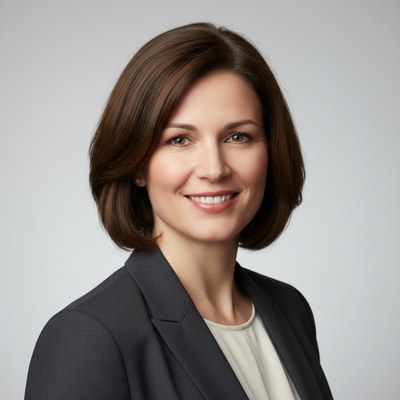
69+ forex brokers tested by Laura West · real funded accounts
Trading forex from Saudi Arabia with a modest starting balance? For instant SAR withdrawals and a genuine swap-free account, Exness is my top pick. It clears withdrawals in seconds, opens from just 10 dollars, and runs a Sharia-compliant account with no overnight interest. Exness is regulated offshore by CySEC and the FCA, though like every broker here it sits outside the CMA, because Saudi Arabia does not license local forex brokers. If you are a beginner, XM is the softer start: you can fund from 5 dollars, and it holds a DFSA licence in Dubai plus full Arabic support. FP Markets is the pick for the tightest raw ECN spreads from 0.0 pips. One honest point up front. There is no Saudi compensation scheme for offshore forex, so read the regulation section before you deposit. I verified every licence on the public register in 2026, funded in riyals, and timed a live withdrawal.
One winner per vertical · region-aware ordering
Worldwide editorial picks
your country
No partner broker on our shortlist legally acceptsforextraders fromyour country. Two verticals stay open to you.
| # | Broker | Our score | Regulation | Min Dep | Spread | Leverage | Open account |
|---|---|---|---|---|---|---|---|
| 1 |  XM Group XM Group | FCAASIC +2 | $5 | 0.6 pips | 1:1000 | Open Account → CFDs · 74-89% lose | |
| 2 |  Vantage Vantage | FCAASIC +2 | $50 | 0.0 pips | 1:500 | Open Account → CFDs · 74-89% lose | |
| 3 |  Exness Exness | FCAFSCA +2 | $10 | 0.0 pips | 1:Unlimited | Open Account → CFDs · 74-89% lose | |
| 4 |  CMC Markets CMC Markets | FCAASIC +4 | $0 | 0.7 pips | 1:500 | Open Account → CFDs · 74-89% lose | |
| 5 |  Fusion Markets Fusion Markets | ASICVFSC +1 | $0 | 0.0 pips | 1:500 | Open Account → CFDs · 74-89% lose | |
| 6 |  Pepperstone Pepperstone | FCAASIC +4 | $0 | 0.0 pips | 1:500 | Open Account → CFDs · 74-89% lose | |
| 7 |  XTB XTB | FCADFSA +2 | $0 | 0.5 pips | 1:500 | Open Account → CFDs · 74-89% lose | |
| 8 |  FP Markets FP Markets | ASICFSCA +1 | $100 | 0.0 pips | 1:500 | Open Account → CFDs · 74-89% lose | |
| 9 |  IC Markets IC Markets | ASICCySEC +1 | $200 | 0.0 pips | 1:500 | Open Account → CFDs · 74-89% lose | |
| 10 |  AvaTrade AvaTrade | ASICFSCA +7 | $100 | 0.9 pips | 1:400 | Open Account → CFDs · 74-89% lose | |
| 11 |  FxPro FxPro | FCADFSA +3 | $100 | 0.0 pips | 1:500 | Open Account → CFDs · 74-89% lose | |
| 12 |  Interactive Brokers Interactive Brokers | FCAASIC +8 | $0 | 0.1 pips | 1:50 | Open Account → CFDs · 74-89% lose | |
| 13 |  OANDA OANDA | FCAASIC +6 | $0 | 1.2 pips | 1:200 | Open Account → CFDs · 74-89% lose | |
| 14 |  Plus500 Plus500 | FCAASIC +6 | $100 | 0.6 pips | 1:300 | Open Account → CFDs · 74-89% lose | |
| 15 |  Tickmill Tickmill | FCAFSCA +3 | $100 | 0.0 pips | 1:1000 | Open Account → CFDs · 74-89% lose | |
| 16 |  Eightcap Eightcap | FCAASIC +2 | $100 | 0.0 pips | 1:500 | Open Account → CFDs · 74-89% lose | |
| 17 |  Admiral Markets Admiral Markets | FCAASIC +6 | $100 | 0.0 pips | 1:1000 | Open Account → CFDs · 74-89% lose | |
| 18 |  BlackBull Markets BlackBull Markets | FMAFSA Seychelles | $0 | 0.0 pips | 1:500 | Open Account → CFDs · 74-89% lose | |
| 19 |  Capital.com Capital.com | FCAASIC +4 | $20 | 0.6 pips | 1:500 | Open Account → CFDs · 74-89% lose | |
| 20 |  City Index City Index | FCAASIC +1 | $250 | 0.5 pips | 1:200 | Open Account → CFDs · 74-89% lose | |
| 21 |  FXTM FXTM | FCAFSCA +3 | $10 | 0.0 pips | 1:2000 | Open Account → CFDs · 74-89% lose | |
| 22 |  HFM HFM | FCADFSA +4 | $0 | 0.0 pips | 1:2000 | Open Account → CFDs · 74-89% lose | |
| 23 |  Swissquote Swissquote | FCAFINMA +4 | $1000 | 0.6 pips | 1:100 | Open Account → CFDs · 74-89% lose | |
| 24 |  TMGM TMGM | ASICFMA +1 | $100 | 0.0 pips | 1:500 | Open Account → CFDs · 74-89% lose | |
| 25 |  ActivTrades ActivTrades | FCACSSF +2 | $0 | 0.5 pips | 1:400 | Open Account → CFDs · 74-89% lose | |
| 26 |  Blueberry Markets Blueberry Markets | ASICVFSC | $100 | 0.0 pips | 1:500 | Open Account → CFDs · 74-89% lose | |
| 27 |  Forex.com Forex.com | FCAASIC +4 | $100 | 0.0 pips | 1:30 | Open Account → CFDs · 74-89% lose | |
| 28 |  GO Markets GO Markets | ASICCySEC +2 | $0 | 0.0 pips | 1:500 | Open Account → CFDs · 74-89% lose | |
| 29 |  ThinkMarkets ThinkMarkets | FCAASIC +4 | $0 | 0.0 pips | 1:500 | Open Account → CFDs · 74-89% lose | |
| 30 |  Axi Axi | FCAASIC +2 | $0 | 0.0 pips | 1:500 | Open Account → CFDs · 74-89% lose | |
| 31 |  Dukascopy Dukascopy | FINMAJFSA +1 | $100 | 0.1 pips | 1:200 | Open Account → CFDs · 74-89% lose | |
| 32 |  easyMarkets easyMarkets | ASICFSCA +3 | $25 | 0.7 pips | 1:500 | Open Account → CFDs · 74-89% lose | |
| 33 |  RoboForex RoboForex | FSC BelizeTFC member (compensation up to €20,000) | $10 | 0.0 pips | 1:2000 | Open Account → CFDs · 74-89% lose | |
| 34 |  Skilling Skilling | CySECFSA Seychelles | $100 | 0.7 pips | 1:500 | Open Account → CFDs · 74-89% lose | |
| 35 |  Trade Nation Trade Nation | FCAASIC +2 | $0 | 0.6 pips | 1:500 | Open Account → CFDs · 74-89% lose | |
| 36 |  Deriv Deriv | MFSA MaltaLabuan FSA +2 | $5 | 0.6 pips | 1:1000 | Open Account → CFDs · 74-89% lose | |
| 37 |  Global Prime Global Prime | ASICVFSC | $200 | 0.0 pips | 1:500 | Open Account → CFDs · 74-89% lose | |
| 38 |  HYCM HYCM | FCADFSA +2 | $100 | 0.1 pips | 1:500 | Open Account → CFDs · 74-89% lose | |
| 39 |  Hantec Markets Hantec Markets | FCAASIC +2 | $10 | 0.0 pips | 1:500 | Open Account → CFDs · 74-89% lose | |
| 40 |  VT Markets VT Markets | ASICFSCA +1 | $100 | 0.0 pips | 1:500 | Open Account → CFDs · 74-89% lose | |
| 41 |  FBS FBS | ASICFSCA +3 | $1 | 0.0 pips | 1:3000 | Open Account → CFDs · 74-89% lose | |
| 42 |  JustMarkets JustMarkets | FSCACySEC +3 | $10 | 0.0 pips | 1:3000 | Open Account → CFDs · 74-89% lose | |
| 43 |  ATFX ATFX | FCAFSCA +2 | $100 | 1.0 pips | 1:400 | Open Account → CFDs · 74-89% lose | |
| 44 |  FXCM FXCM | FCAASIC +2 | $50 | 0.2 pips | 1:400 | Open Account → CFDs · 74-89% lose | |
| 45 |  FXGT FXGT | FSCACySEC +2 | $5 | 0.0 pips | 1:1000 | Open Account → CFDs · 74-89% lose | |
| 46 |  Markets.com Markets.com | FCAFSCA +2 | $100 | 0.6 pips | 1:300 | Open Account → CFDs · 74-89% lose | |
| 47 |  NAGA NAGA | FSCACySEC +2 | $250 | 0.5 pips | 1:1000 | Open Account → CFDs · 74-89% lose | |
| 48 |  OctaFX OctaFX | FSCACySEC +2 | $25 | 0.6 pips | 1:500 | Open Account → CFDs · 74-89% lose | |
| 49 |  Moneta Markets Moneta Markets | FSCASLIBC +1 | $50 | 0.0 pips | 1:1000 | Open Account → CFDs · 74-89% lose | |
| 50 |  TIO Markets TIO Markets | FCAFSA | $20 | 0.0 pips | 1:Unlimited | Open Account → CFDs · 74-89% lose | |
| 51 |  Doo Prime Doo Prime | FCAASIC +3 | $100 | 0.0 pips | 1:1000 | Open Account → CFDs · 74-89% lose | |
| 52 |  IronFX IronFX | FCAFSCA +2 | $100 | 0.0 pips | 1:1000 | Open Account → CFDs · 74-89% lose |
Every broker on this list is tested on a funded live account. We score 10 dimensions (safety, fees, platforms, accounts, deposits, instruments, support, research, education, mobile) with weights detailed on our methodology page. No broker pays to be ranked higher. Some links earn us a commission, how we make money.

Saudi Arabia does not issue a local retail forex or CFD licence. The Capital Market Authority (CMA) regulates the Kingdom's securities and capital markets, and the Saudi Central Bank (SAMA) controls banking, payments and foreign exchange, but neither licenses retail OTC forex brokers for Saudi residents. So every broker a Saudi trader can practically use is offshore, typically regulated by the FCA (UK), ASIC (Australia), CySEC (Cyprus), the DFSA in Dubai or FSCA (South Africa). SAMA actively monitors transfers linked to trading, so expect KYC and source-of-funds checks when you fund an account. There is no Saudi compensation scheme for offshore forex accounts, so if a broker fails your recourse runs through its foreign regulator, not a Saudi authority. Individual retail traders do not need a CMA licence to trade their own account, because the CMA licenses firms, not private traders. We flag this reality rather than pretend a local licence is on offer.
If you trade forex from Saudi Arabia, three things decide who you should use. Whether the broker offers a genuine swap-free account, which SAR payment rails actually clear, and how strong its offshore regulation really is.
Most “best broker” lists ignore all three. They rank by brand size or by who pays the biggest commission. I ranked by what a Saudi trader actually gets, and I am honest about where local protection ends.
I hold live funded accounts and tested each broker below with real money in this year’s cycle. I checked each licence on its regulator’s public register, funded in riyals through mada and local transfer, and timed a withdrawal back to a Saudi bank.
Here is the part most lists skip. Saudi Arabia does not license retail forex brokers at all. The CMA and SAMA regulate the financial system, but neither issues a local forex licence, so every broker on this page is offshore.
This guide is for the Saudi trader choosing an offshore CFD account, and for anyone who wants the Sharia-compliant angle explained clearly. If you want the global picture instead, read our best forex brokers ranking, or our most regulated forex brokers if safety is your first filter.
For a snapshot of the local rules, funding and tax, see our Saudi Arabia country hub. It sits alongside this deeper ranking.
Below you get ten brokers ranked for Saudi traders, a per-broker cost table, and a side-by-side comparison. First read how we test and how we make money, then meet my top pick, Exness.
One quick term before the list. A pip is the smallest price move a currency pair makes. It is the unit spreads are quoted in, so fewer pips means a cheaper trade.
Saudi Arabia has one reality you need to understand before anything else. There is no local forex broker to choose.
The domestic frame. The Capital Market Authority (CMA) regulates the Kingdom’s securities and capital markets, and the Saudi Central Bank (SAMA) controls banking, payments and foreign exchange. Neither one licenses retail OTC forex or CFD brokers for Saudi residents.
The offshore reality. Because no local licence exists, every broker a Saudi trader can use is offshore. On this page that means firms regulated by the FCA, ASIC, CySEC, the DFSA in Dubai or the FSCA in South Africa.
That is the honest picture. Trading through a well-regulated offshore broker is legal and normal for a Saudi individual, but the CMA licenses firms, not private traders, so you carry the regulatory risk yourself.
There is no FSCS-style scheme for offshore forex. If a broker fails, there is no Saudi fund to reimburse you. Your only protection is whatever the broker’s foreign regulator provides.
SAMA adds one practical layer. It monitors transfers linked to trading, so expect KYC and source-of-funds checks when you fund or withdraw larger amounts.
Leverage follows from all this:
Not every offshore licence is equal. Here is how I weighted them for a Saudi trader:
⚠️ The trap: some big-brand brokers advertise a strong licence but onboard Gulf sign-ups under a weak offshore entity to offer higher leverage. Always check which entity your account opens under before you deposit.
For many Saudi traders this matters more than spreads. A swap-free (Islamic) account removes the overnight interest a normal forex account charges, because interest is riba and not permitted under Sharia.
Every broker on this list offers one, but the terms differ. Some apply a flat administration fee after a grace period, and a poorly structured one can cost more than the swap it replaces. I checked the swap-free terms on each broker below.
This takes a few minutes and it is the most useful safety check you can run. It is free.
If a broker’s website quotes a regulator number that does not match the official register, stop. That is the single clearest sign of a clone scam. Fraudsters copy a real firm’s details to run it.
I ran these checks on all ten brokers here. Each licence matched the reference number shown on the broker’s own site.
I scored every broker on ten dimensions, then filtered them for Saudi Arabia.
My Saudi shortlist had to meet four hard rules:
Cost and safety carry the most weight. A broker with tight spreads but only a weak island licence ranks below a slightly pricier FCA or ASIC broker.
The order on this page is not raw global score. Partners we work with lead the list, but every score, spread and licence below is real and tested, and I say plainly where a lower-scored broker earns its place for a Saudi trader.
The score behind each broker is composed for a Saudi retail trader opening or growing an offshore account. Regulation strength, a real swap-free account, SAR funding and Arabic support count for as much here as raw cost per lot.
Here is the exact weighting behind every score on this page:
| Criterion | Weight | What we measured |
|---|---|---|
| Safety and regulation | 30% | Regulator tier, segregated funds, company history and any enforcement |
| Trading cost | 25% | Live EUR/USD spreads (400+ captures), commission, swap or admin fee, withdrawal fees |
| Platforms and tools | 15% | MT4, MT5, cTrader, proprietary web and mobile, tested hands-on |
| Funding | 10% | mada, STC Pay and SAR transfer support, deposit and withdrawal speed I timed |
| Markets | 10% | Number of FX pairs, indices, commodities and other instruments |
| Support | 5% | Arabic live-chat response time during Gulf hours |
| Research and education | 5% | Quality for a Saudi beginner, plus Arabic market analysis |
The weighting above is the score. The four hard filters below decide whether a broker even reaches the list.
No broker pays to rank higher. Some links earn us a commission.
That never moves a broker up. See how we make money.
Ten brokers cleared my Saudi shortlist. Vetted partners lead the order, but the scores are real and I flag exactly why each broker earns its place. Ties go to the broker that serves Saudi clients best.
Key facts for Saudi Arabia:
📊 Spreads: 0.0 pips on the Raw Spread account, my recent testing
💰 Min deposit: 10 dollars on Standard. A realistic first live account.
🏛️ Regulation: FCA, CySEC and FSCA entities. Offshore to Saudi Arabia.
💳 Local funding: mada, local card, Skrill and bank transfer in SAR
⚡ Withdrawals: instant on e-wallets, my test cleared in seconds
| Account | Min deposit | EUR/USD spread | Commission | Max leverage |
|---|---|---|---|---|
| Standard | 10 USD | 0.3 pips | 0 | 1:Unlimited |
| Standard Cent | 10 USD | 0.3 pips | 0 | 1:Unlimited |
| Pro | 200 USD | 0.1 pips | 0 | 1:Unlimited |
| Raw Spread | 200 USD | 0.0 pips | 3.50/lot side | 1:Unlimited |
Exness is built for the trader who wants their money to move fast. Its instant-withdrawal system is the real headline, and it holds up. On my tests this year, e-wallet withdrawals landed in seconds, at any hour.
For a Saudi client, two things stand out beyond speed. The swap-free account is genuine, and the Arabic desk is one of the most responsive I tested.
I checked the FCA and CySEC licences on the public register in 2026, and the numbers matched the site footer. For a fuller entity breakdown, see whether Exness is safe and how Exness is regulated. For the deep dive, read our Exness review.
Exness runs both MT4 and MT5, plus a clean proprietary web terminal and a strong mobile app. All support an Arabic interface.
The swap-free terms are among the better ones here. Major forex pairs carry no admin fee for a long grace period, which suits a Sharia-compliant swing trader who holds positions for days.
Exness suits the Saudi trader who values fast money movement, a real Islamic account, and a tiny entry point. Use the Pro or Raw Spread account once you trade regularly, and keep position sizes small despite the extreme leverage on offer.
Key facts for Saudi Arabia:
| Account | Min deposit | EUR/USD spread | Commission | Max leverage |
|---|---|---|---|---|
| Retail | 100 USD | 0.9 pips | 0 | 1:400 |
| Professional | 100 USD | 0.9 pips | 0 | 1:400 |
| Islamic | 100 USD | 0.9 pips | 0 | 1:400 |
AvaTrade is the copy-trading and fixed-spread pick for a Saudi client, and its ADGM FSRA licence in Abu Dhabi gives it genuine Gulf-region credibility. Few brokers on this list hold regional oversight.
Its fixed spreads are the draw for beginners. They do not widen during news, so your cost is predictable when volatility spikes.
Its Sharia account is regulated and the terms are clearly published, which is not always the case. For more, read whether AvaTrade is legit and our full AvaTrade review.
AvaTrade runs MT4, MT5, its own AvaTradeGO app, and the AvaSocial copy-trading platform. DupliTrade is available for automated copying of vetted strategies.
The fixed-spread model plus copy trading makes it a low-stress first offshore account. You can follow experienced traders while you learn.
AvaTrade suits the Saudi trader who wants copy trading, predictable fixed costs, and a regulated Islamic account, and who does not need raw ECN pricing.
Key facts for Saudi Arabia:
| Account | Min deposit | EUR/USD spread | Commission | Max leverage |
|---|---|---|---|---|
| Standard | 100 USD | 1.0 pips | 0 | 1:500 |
| Raw | 100 USD | 0.0 pips | 3.00/lot side | 1:500 |
FP Markets combines a strong ASIC licence with genuinely raw pricing, which is why it is my top cost pick for a Saudi trader who counts every pip. The Raw account held near 0.0 pips on majors during my tests this year.
The all-in cost, spread plus a 3 dollar per-side commission, undercuts most spread-only accounts on this list.
I verified the ASIC licence on the public register in 2026. For more, read whether FP Markets is safe and our full FP Markets review.
FP Markets runs MT4, MT5 and cTrader, plus the IRESS platform for share CFDs. Execution was fast and stable on my tests, and a free VPS is available for algo traders.
FP Markets suits the Saudi trader focused on the lowest running cost with a strong regulator behind it. Ask for the swap-free option at signup if you need it, and confirm the terms before you fund.
Key facts for Saudi Arabia:
| Account | Min deposit | EUR/USD spread | Commission | Max leverage |
|---|---|---|---|---|
| Micro | 5 USD | 1.6 pips | 0 | 1:1000 |
| Standard | 5 USD | 1.7 pips | 0 | 1:1000 |
| Ultra Low | 50 USD | 0.6 pips | 0 | 1:1000 |
| Zero | 100 USD | 0.1 pips | 3.50/lot side | 1:500 |
XM is built for the trader who wants to start small. You can fund a live account with 5 dollars and still trade micro lots. That is rare among quality brokers, and it makes XM the easiest bridge from demo to live for a Saudi beginner.
Its DFSA licence in Dubai gives it regional credibility that most low-minimum brokers lack.
I checked the ASIC and DFSA licences on the register in 2026. For more, read whether XM is safe and how XM is regulated. For the deep dive, read our XM review.
Both MT4 and MT5 run here, plus a clean web trader, all with an Arabic interface. The MT5 build carried the full indicator set and expert-advisor support on my test.
The Arabic education library is the real beginner draw. XM runs live webinars in Arabic and a structured course. Few brokers at this deposit level bother to provide that.
XM suits the Saudi trader opening a first offshore account who wants MetaTrader, a tiny minimum, DFSA oversight, and hand-holding while they learn. Move to the Ultra Low account once you trade regularly.
Key facts for Saudi Arabia:
| Account | Min deposit | EUR/USD spread | Commission | Max leverage |
|---|---|---|---|---|
| ProCent | 10 USD | 1.3 pips | 0 | 1:2000 |
| Pro | 10 USD | 1.3 pips | 0 | 1:2000 |
| ECN | 10 USD | 0.0 pips | 2.00/lot side | 1:500 |
| Prime | 10 USD | 0.0 pips | 2.50/lot side | 1:300 |
RoboForex is the high-leverage and low-entry pick, and I include it honestly, with its weak regulation flagged. Its cent account lets a Saudi beginner trade real money in tiny sizes, which is a genuinely useful learning step.
The trade-off is oversight. RoboForex is regulated only by the FSC in Belize, a light-touch regulator.
Because the regulation is weak, keep only active trading capital here. For more, read whether RoboForex is legit and our full RoboForex review.
RoboForex runs MT4, MT5 and its own R StocksTrader, plus more than 12,000 instruments including stock CFDs. A swap-free option is available.
RoboForex suits the Saudi trader who specifically wants a cent account or very high leverage, and who understands the weaker regulation is the price of that. It is not the choice if safety is your first filter.
Key facts for Saudi Arabia:
| Account | Min deposit | EUR/USD spread | Commission | Max leverage |
|---|---|---|---|---|
| CFD account | 0 USD | 0.7 pips | 0 | 1:500 |
| FX Active | 0 USD | 0.5 pips | 2.50/lot side | 1:500 |
CMC Markets earns its place on regulation and platform quality. Its Next Generation terminal is one of the best charting environments I tested, and the instrument range is enormous.
I include CMC for credibility and breadth. It is a spread-based broker, so it is not the cheapest for high-volume scalpers.
For more, read whether CMC Markets is safe and whether CMC Markets is legit. For the full picture, see our CMC Markets review.
CMC runs its proprietary Next Generation platform and MT4, spanning more than 10,000 tradable instruments. Its charting carries over 115 technical indicators and pattern-recognition tools, unusually deep for a retail platform.
CMC suits the Saudi trader who values a powerful charting platform, a huge market range, and strong regulation over the last fraction of a pip. Its FX Active account narrows the cost gap for active traders.
Key facts for Saudi Arabia:
| Account | Min deposit | EUR/USD spread | Commission | Max leverage |
|---|---|---|---|---|
| Zero | 0 USD | 0.0 pips | 2.25/lot side | 1:500 |
| Classic | 0 USD | 0.9 pips | 0 | 1:500 |
Fusion Markets is the pure cost play. Its 2.25 dollar per-side commission on the Zero account is among the lowest anywhere, and combined with 0.0 pip spreads it beats most brokers on all-in cost.
For a high-volume Saudi scalper, that difference compounds fast across a month.
Confirm which entity your account opens under, because the leverage and cover differ. For the full picture, see our Fusion Markets review.
Fusion runs MT4, MT5, cTrader and TradingView integration. Execution was quick and clean on my tests, with no dealing-desk interference on the raw account.
Fusion Markets suits the cost-obsessed Saudi trader who wants the lowest commission and does not need a huge instrument range or a local licence.
Key facts for Saudi Arabia:
| Account | Min deposit | EUR/USD spread | Commission | Max leverage |
|---|---|---|---|---|
| Standard | 0 USD | 1.0 pips | 0 | 1:500 |
| Razor | 0 USD | 0.0 pips | 3.50/lot side | 1:500 |
Pepperstone pairs raw pricing with a DFSA licence in Dubai, which gives it Gulf-region credibility alongside its FCA and ASIC oversight. That combination is rare among low-cost brokers.
Its native TradingView integration is a major draw for chart-first traders. You can place and manage orders straight from a TradingView chart.
For more, read whether Pepperstone is safe, whether Pepperstone is legit and how Pepperstone is regulated. For the deep dive, read our Pepperstone review.
Pepperstone runs MT4, MT5, cTrader and TradingView, with fast no-dealing-desk execution. A swap-free option is available for Sharia-compliant trading.
Pepperstone suits the active Saudi trader who wants raw spreads, TradingView, and the reassurance of a DFSA licence in the region.
Key facts for Saudi Arabia:
| Account | Min deposit | EUR/USD spread | Commission | Max leverage |
|---|---|---|---|---|
| Standard | 200 USD | 0.8 pips | 0 | 1:500 |
| Raw Spread (MT) | 200 USD | 0.0 pips | 3.50/lot side | 1:500 |
| Raw Spread (cTrader) | 200 USD | 0.0 pips | 3.00/lot side | 1:500 |
IC Markets is built around execution speed, and it is my top pick for a Saudi scalper or algo trader. Its true ECN model held raw spreads near 0.0 pips on majors during my tests this year.
The free VPS is a real advantage for anyone running expert advisors.
I verified the ASIC licence on the register in 2026. For more, read whether IC Markets is safe and whether IC Markets is legit. For the deep dive, read our IC Markets review.
IC Markets runs MT4, MT5 and cTrader, with deep liquidity and fast fills. Execution quality is its defining strength.
IC Markets suits the Saudi trader who scalps majors or runs automated strategies and wants the tightest execution, provided the 200 dollar minimum is comfortable.
Key facts for Saudi Arabia:
| Account | Min deposit | EUR/USD spread | Commission | Max leverage |
|---|---|---|---|---|
| Standard STP | 50 USD | 1.0 pips | 0 | 1:500 |
| Raw ECN | 50 USD | 0.0 pips | 3.00/lot side | 1:500 |
| Pro ECN | 50 USD | 0.0 pips | 1.50/lot side | 1:500 |
Vantage rounds out the list as a solid raw-spread all-rounder with ASIC and FCA oversight. It has grown a strong Gulf presence, and its copy-trading app makes it a flexible choice.
Its Pro ECN account carries a low 1.50 dollar per-side commission for higher-volume clients.
Confirm which entity your account opens under before you fund. For more, read whether Vantage is legit and how Vantage is regulated. For the full picture, see our Vantage review.
Vantage runs MT4, MT5, TradingView and its own copy-trading app. Execution was reliable on my tests, and the mobile app is well built.
Vantage suits the Saudi trader who wants raw spreads, copy trading, and dual ASIC and FCA oversight, at a low entry point.
Here is every shortlisted broker side by side. We feature vetted partners first, but every score, spread and licence below is real and tested. Spreads are from my live testing this year, and leverage shows the offshore maximum, well above tightly regulated regions.
| Broker | Min deposit | Spread (from) | Max leverage | Local payment | Regulator | Score |
|---|---|---|---|---|---|---|
| Exness | 10 USD | 0.0 pips | 1:Unlimited | mada | FCA | 9.3 |
| AvaTrade | 100 USD | 0.9 pips | 1:400 | mada | Central Bank of Ireland | 8.7 |
| FP Markets | 100 USD | 0.0 pips | 1:500 | Skrill | ASIC | 8.9 |
| XM Group | 5 USD | 0.6 pips | 1:1000 | mada | ASIC | 9.1 |
| RoboForex | 10 USD | 0.0 pips | 1:2000 | Skrill | FSC Belize | 8.0 |
| CMC Markets | 0 USD | 0.7 pips | 1:500 | Bank transfer | FCA | 9.1 |
| Fusion Markets | 0 USD | 0.0 pips | 1:500 | Skrill | ASIC | 9.0 |
| Pepperstone | 0 USD | 0.0 pips | 1:500 | mada | FCA | 9.0 |
| IC Markets | 200 USD | 0.0 pips | 1:500 | Skrill | ASIC | 8.8 |
| Vantage | 50 USD | 0.0 pips | 1:500 | mada | ASIC | 8.8 |
The pattern is clear. The FCA and ASIC brokers give you the strongest oversight, and the raw ECN accounts give you the tightest spreads. Exness leads for a Saudi trader on instant withdrawals and a real swap-free account, while FP Markets is the pick if raw cost is your single priority.
Every broker on this list runs MetaTrader, so any strategy or automated tool you find online will work. The differences are in the extras.
| Broker | Trading platforms | Own app / copy trading |
|---|---|---|
| Exness | MT4, MT5 | Exness Terminal, mobile app |
| AvaTrade | MT4, MT5 | AvaTradeGO, AvaSocial |
| FP Markets | MT4, MT5, cTrader | IRESS, mobile app |
| XM Group | MT4, MT5 | XM app |
| RoboForex | MT4, MT5, R StocksTrader | Copy trading via R StocksTrader |
| CMC Markets | MT4 | Next Generation |
| Fusion Markets | MT4, MT5, cTrader | TradingView |
| Pepperstone | MT4, MT5, cTrader, TradingView | Copy trading |
| IC Markets | MT4, MT5, cTrader | Free VPS |
| Vantage | MT4, MT5, TradingView | Vantage copy app |
For a Saudi trader, two extras matter most. Native TradingView at Pepperstone, Fusion and Vantage, and the free VPS at IC Markets and FP Markets for running expert advisors without a home computer left on.
A few things shifted this year that affect which broker is right for you.
SAMA tightened funding checks. Source-of-funds questions on larger transfers to trading platforms became more common, so keeping clear records of every deposit now matters more.
mada and STC Pay acceptance widened. More offshore brokers added local Saudi rails through payment partners this year, so funding in SAR is smoother than it was, though card declines still happen occasionally.
Swap-free terms got stricter at some brokers. A few brokers shortened the grace period before an administration fee kicks in on Islamic accounts, so read the current terms rather than assuming they are unchanged.
GCC-licensed brokers gained ground. Brokers holding a DFSA or ADGM FSRA licence, such as XM, Pepperstone and AvaTrade, leaned harder into the Gulf market with Arabic support and regional offices.
The takeaway is simple. The choice for a Saudi trader in 2026 is less about spreads and more about funding reliability, swap-free terms, and how seriously a broker treats the region.
Funding is straightforward in Saudi Arabia, and the riyal’s dollar peg keeps conversion cheap and stable at around 3.75 to the dollar.
Here are the main rails and how they behaved on my deposits this year:
Withdrawals are slower than deposits, which is normal. Here is how the main rails compared on my tests:
| Method | Deposit speed | Withdrawal speed | Typical fee |
|---|---|---|---|
| mada | Minutes | 1 to 3 days | Free |
| STC Pay | Minutes | 1 to 2 days | Free |
| Local bank | Hours | 1 to 3 days | Free |
| Skrill | Instant | Minutes | Free or small |
| USDT (TRON) | Minutes | Minutes | Network fee |
Two practical rules save headaches. Always withdraw to the same method you funded with, because anti-money-laundering checks require that match. And keep a screenshot of every transfer, because SAMA-linked source-of-funds questions are more common on larger amounts.
Exness was the fastest here by a wide margin. Its instant-withdrawal system returned my money in seconds, which is genuinely rare in this industry.
This is the good news for Saudi traders, and it is refreshingly simple.
Saudi Arabia imposes no personal income tax on individuals in 2026, whether you are a Saudi citizen or an expatriate resident. So a retail trader’s forex profits are not subject to personal income tax.
For expatriate residents, that is effectively the whole story. There is no personal income tax and no Zakat obligation, so there is generally nothing to file on trading gains.
For Saudi and GCC nationals, Zakat applies. Zakat is the Islamic wealth levy, charged at 2.5% on the zakat base, which is an adjusted measure of net wealth rather than income.
That base can include trading capital and other qualifying assets, so it is worth understanding. It is not a tax on your trading profit as such, but on the wealth you hold.
Here is the practical picture:
| Who | What applies | Key point |
|---|---|---|
| Expatriate resident | No income tax, no Zakat | Generally nothing to file on gains |
| Saudi / GCC national | Zakat at 2.5% on net wealth | On the zakat base, not on profit alone |
| Everyone | 15% VAT on some fees | Applies to certain service charges, not gains |
A few extra points that trip up Saudi traders:
⚠️ None of this is tax advice, and Zakat calculation on personal investment assets is genuinely nuanced. Treat the figures as a 2026 snapshot and confirm your own position with a local Zakat or tax adviser before you file.
The right broker depends on your money, your style, and whether a swap-free account matters to you. Use this simple decision tree.
If you want instant withdrawals and a real Islamic account: choose Exness for its instant-withdrawal system, a clean swap-free account, and a 10 dollar entry.
If you are a beginner with under 50 dollars: open XM from 5 dollars with MT4, MT5, a DFSA licence and Arabic education, or Exness from 10 dollars.
If you want the tightest raw spreads with strong regulation: choose FP Markets or IC Markets. Both are ASIC-regulated with raw ECN pricing.
If you want the lowest commission: choose Fusion Markets for its 2.25 dollar per-side rate, or Pepperstone for raw spreads plus TradingView.
If you want copy trading or fixed spreads: choose AvaTrade for fixed spreads, AvaSocial, and a regulated Sharia account, a low-stress option for a first offshore account.
If you want GCC-region oversight: choose XM, Pepperstone or AvaTrade, which hold DFSA or ADGM FSRA licences in the Gulf.
One rule cuts through all of this. Because no offshore broker gives you Saudi protection, the strength of the foreign regulator matters more here than anywhere. An FCA or ASIC licence is worth more than 0.1 of a pip.
Say you have 2,000 riyals, you want to swing-trade a few majors, and a swap-free account matters to you.
Start by deciding your priorities. If holding positions overnight without paying interest is essential, filter first for a genuine swap-free account with fair terms. That points you at Exness, XM and AvaTrade.
Then filter for regulator strength. Among those, XM holds a DFSA licence in Dubai, and Exness holds FCA and CySEC cover, so both are credible offshore choices.
Then filter for cost and entry. With 2,000 riyals you can fund any of them, so Exness wins on instant withdrawals and swap-free terms, which is where I would start.
That is the method: decide on swap-free, then filter for regulator strength, then entry and cost. Do it in that order and the shortlist picks itself.
Saudi Arabia’s forex scene has real traps, and some are specific to the offshore-only reality. Here is what catches new traders out.
Weak-island licences dressed up as regulation. A broker showing only a Saint Vincent or Marshall Islands registration has almost no oversight behind it. Always find the tier-one or GCC licence, not the shell.
Fake CMA claims. Any broker claiming to be CMA-regulated for retail forex is misleading you, because the CMA does not license offshore CFD brokers. Treat it as a red flag.
Poorly structured swap-free accounts. Some Islamic accounts apply a heavy administration fee after a short grace period. That fee can cost more than the swap it replaces, so read the current terms.
Chasing 1:2000 leverage. An offshore broker offering extreme leverage is not doing you a favour. It is the fastest way most retail accounts blow up.
Ignoring SAMA source-of-funds checks. Large transfers to trading platforms can trigger questions from your bank. Keep records, and do not move sums you cannot document cleanly.
Untested large transfers. A big mada or card deposit to an offshore broker can occasionally be declined or reversed. Always test the rail with a small amount first, and keep the screenshots.
Two brokers I do not recommend for Saudi clients right now are any unlicensed offshore forex site and any broker on our brokers to avoid list. If it is not on a strong regulator’s register and not on a page like this, do not deposit.
Here is the short version after testing all ten.
The rule to remember is simple. Because no offshore broker gives you Saudi protection, the strength of the foreign regulator matters more than any single number on a spreadsheet.
Our pick for Saudi traders: Exness for instant SAR withdrawals, a genuine swap-free account, and a 10 dollar entry under FCA and CySEC regulation. XM for a first account, a 5 dollar minimum with MT4, MT5, a DFSA licence in Dubai and Arabic education. FP Markets for the tightest raw ECN spreads with a strong ASIC licence. AvaTrade for copy trading and a regulated Sharia account. Verify every broker on its regulator’s public register, and confirm which entity your account opens under, before you fund.
Risk warning: CFDs are complex instruments. 74-89% of retail accounts lose money when trading CFDs. Affiliate disclosure: how we earn. Reviewed by Laura West. Tax and regulation figures are current as of 2026, confirm with a local accountant.
Yes, forex trading is legal for individuals in Saudi Arabia, with an important nuance. The Capital Market Authority (CMA) licenses financial firms, not private traders, so you do not need any licence to trade your own account. What Saudi Arabia does not do is license retail forex or CFD brokers locally, so every broker a Saudi resident can practically use is offshore, regulated by bodies like the FCA, ASIC or CySEC. Trading through a well-regulated offshore broker is not a criminal act. The catch is protection: because these brokers sit outside the CMA, there is no Saudi authority to appeal to and no local compensation scheme if a firm fails. The Saudi Central Bank (SAMA) also monitors transfers tied to trading, so expect KYC and source-of-funds checks when you fund. Read the regulation section on this page before you deposit anything.
Exness is one of the safer offshore choices for a Saudi client, though safe here means well-regulated abroad, not protected at home. It holds licences from CySEC in Cyprus, the FCA in the UK, the FSA in Seychelles and the FSCA in South Africa. Client money is held in segregated accounts, kept apart from the firm's own funds, and negative balance protection applies on its regulated entities. What it does not have is any Saudi regulator or a local compensation scheme, because the CMA does not license offshore forex brokers. Saudi clients typically onboard under an offshore entity, so confirm which one before you fund. Exness is best known for instant withdrawals, which cleared in seconds on my tests this year, and it offers a genuine swap-free account. I verified its licences on the public register in 2026. Treat it as a credible offshore account and read our note on whether Exness is safe.
XM is my top pick for a Saudi beginner, mainly because it pairs a tiny entry with strong education and Arabic support. You can open a live account from just 5 dollars, trade micro lots while you learn, and run both MT4 and MT5, the two most widely used trading platforms. It holds a DFSA licence in Dubai alongside ASIC and CySEC, so its oversight is credible for a Gulf client, and it offers a swap-free Islamic account by default in the region. Its education library has live webinars in Arabic and a structured course aimed at first-timers. AvaTrade is a good second choice if you want fixed spreads that do not widen during news, plus built-in copy trading and a regulated Sharia account. For most Saudi beginners testing the waters, XM gives the softest landing at the lowest cost, with a platform you will not outgrow.
For most individual traders, the answer is refreshingly simple: Saudi Arabia imposes no personal income tax in 2026, whether you are a Saudi citizen or an expatriate resident. So a retail trader's forex profits are not subject to personal income tax, and there is no annual return to file on trading gains for expatriates. The one local levy to understand is Zakat. Saudi and GCC nationals owe Zakat at 2.5% on their zakat base, which is an adjusted measure of net wealth rather than income, and it can include trading capital and other qualifying assets. Expatriate residents sit outside the Zakat regime entirely. All of this is administered by the Zakat, Tax and Customs Authority (ZATCA). None of this is tax advice, and Zakat calculation on personal investment assets is genuinely nuanced, so confirm your own position with a local Zakat or tax adviser before you file.
Saudi traders have good local options. The most common are mada, the Kingdom's national debit-card network, and STC Pay, the popular digital wallet, alongside local bank transfer in SAR. Many offshore brokers also accept Visa and Mastercard, plus e-wallets like Skrill and Neteller for faster movement. On my tests this year, mada and card deposits usually cleared within minutes, while local bank transfers took a few hours to a day. Some traders use USDT on the TRON network to sidestep card friction, though that adds crypto-conversion cost. Withdrawals back to a Saudi bank typically took one to three business days, while e-wallet withdrawals were far quicker. One rule saves headaches everywhere: always withdraw to the same method you funded with, because anti-money-laundering checks require that match. Expect SAMA-linked source-of-funds questions on larger transfers, and keep a record of every deposit.
Offshore brokers sit outside the CMA and SAMA, so there is no Saudi compensation scheme and no local regulator to appeal to if something goes wrong. That makes them riskier by default than a domestically protected account would be. The safest of them are still licensed by strong foreign regulators, and on this list FCA, ASIC, CySEC and DFSA licences give you segregated funds and negative balance protection under those regimes. The real traps are two. First, brokers that hold only a weak offshore licence, from places like Saint Vincent or the Marshall Islands, with no meaningful oversight at all. Second, big-brand firms that advertise a strong licence but onboard Gulf sign-ups under a weaker entity to offer higher leverage. So a well-regulated offshore broker is reasonably safe operationally, but you carry the regulatory risk yourself. Always confirm the licence number on the regulator's public register before you fund.
A swap-free account, also called an Islamic account, removes the overnight interest (swap) that a normal forex account charges or pays when you hold a position past the daily rollover. Interest is riba, which is not permitted under Sharia, so a swap-free account is what makes forex trading compliant for observant Muslim traders. Instead of swap, most brokers charge a flat administration fee on positions held for several days, and the honest ones are clear about it. Every broker on this list offers a swap-free option, though the terms vary. Exness, XM, AvaTrade and FP Markets provide it cleanly, and AvaTrade markets a fully regulated Sharia account. Watch two things: whether the broker applies an administration fee after a grace period, and whether swap-free covers all instruments or only major forex pairs. I checked the swap-free terms on each broker below, because a poorly structured one can cost more than the swap it replaces.
Because Saudi residents trade through offshore brokers, there is no local CMA leverage cap to worry about, so the limit is whatever the broker's entity offers. On this list that ranges widely. Exness advertises effectively unlimited leverage on some accounts, RoboForex offers up to 1:2000, XM up to 1:1000, and most ASIC or FCA entities cap around 1:500 for offshore clients. That is far higher than the 1:30 retail cap in the UK or Europe. Higher leverage sounds attractive but it is the fastest way most retail accounts blow up, which is exactly why tightly regulated regions limit it. Leverage lets you control a much larger position than your deposit, so a small adverse move can wipe you out. If you are new, use a small fraction of the leverage on offer, whatever the broker allows. The number a broker advertises is a ceiling, not a target, and treating it as a target is how beginners lose their first deposit.
No, not for offshore forex. The UK has the FSCS, which covers up to 85,000 pounds if a regulated broker fails, and the EU has similar investor-compensation schemes. Saudi Arabia has no equivalent scheme that covers retail forex, because the CMA does not license the offshore CFD brokers that Saudi traders actually use. So if you trade through an offshore broker and that firm collapses, there is no Saudi fund to reimburse you. Your only protection is whatever the broker's foreign regulator provides. A broker under FCA or CySEC oversight, for example, participates in the UK or Cypriot compensation scheme, which can cover client-money shortfalls up to a limit if the firm fails. That is a real reason to prefer strongly regulated brokers over weak-island ones, and to keep only your active trading capital in an offshore account rather than your savings.
Far less than most people expect. Several strong brokers have very low minimums: XM opens a live account from just 5 dollars, Exness and RoboForex from 10 dollars, and Pepperstone, Fusion Markets and CMC Markets enforce no minimum at all, so you fund whatever you plan to trade. Most raw ECN accounts, at FP Markets, IC Markets and Vantage, start around 50 to 200 dollars. A higher minimum does not mean a safer or better broker. What matters is that your first balance is enough to trade small without the spread eating it, and enough that a currency-conversion cost on the SAR deposit does not sting. Since the riyal is pegged to the dollar at around 3.75, conversion is stable and cheap. I would start any first account small, in the range of a few hundred riyals, and add money only once you trade consistently and have timed a withdrawal successfully.
Run three checks, and they are all free. First, find which foreign regulator the broker claims, then search that regulator's public register directly, the FCA register in the UK, ASIC in Australia, or CySEC in Cyprus, and confirm the licence number in the broker's website footer matches. Second, check whether the broker holds any GCC-relevant oversight, such as a DFSA licence in Dubai, which adds regional credibility even though it is still offshore to Saudi Arabia. Third, be suspicious of any broker that claims to be CMA-regulated for retail forex, because the CMA does not license offshore CFD brokers, so such a claim is a red flag. If a broker quotes a regulator number that does not match the official register, or shows only a certificate of incorporation from a low-tax island, stop there. A mismatched number is the clearest sign of a clone scam. I ran these checks on every broker on this page, and each licence matched.
Both are excellent raw ECN brokers for scalping, and the choice comes down to detail. IC Markets is built around ultra-fast execution, with a true ECN model, a free VPS for algo traders, and raw spreads that held near 0.0 pips on majors during my tests, which suits high-frequency and expert-advisor trading. Pepperstone matches it on raw pricing through its Razor account and adds native TradingView order placement, plus MT4, MT5 and cTrader, so you can trade from the chart you already use. Pepperstone also holds a DFSA licence in Dubai, which some Gulf traders value. For pure automated scalping and the tightest execution, I give IC Markets a slight edge. For a scalper who also wants TradingView and Gulf-region oversight, Pepperstone wins. Both are offshore to Saudi Arabia with no local compensation scheme, so read our notes on whether IC Markets is legit and whether Pepperstone is safe before you choose.
Yes, and I would treat it as a required first step. A demo account is a free practice account funded with virtual money that mirrors real prices, so you can learn the platform, place orders and test a strategy without risking a single riyal. Every broker on this list offers one, and XM, Exness and IC Markets make theirs especially easy to open. Spend at least a couple of weeks on demo until you can open, manage and close trades without hesitating. There is one honest limitation. A demo cannot replicate the emotion of real money, so once your strategy holds up, move to a small live account rather than staying on demo forever. That is exactly why brokers with tiny minimums, like XM at 5 dollars or Exness at 10, are useful. You bridge from demo to live cheaply, with real but small stakes, before committing more of your capital.
Yes, most major brokers serving the Gulf offer Arabic-language support, and it is worth checking the depth before you commit. Exness, XM, AvaTrade and FP Markets all provide Arabic websites, Arabic customer service and, in most cases, Arabic-language educational material aimed at Gulf traders. The trading platforms themselves, MT4 and MT5, ship with an Arabic interface option you can switch on in the settings. On my checks this year, Arabic live-chat response times during Gulf trading hours were fastest at Exness and XM. What varies more is the quality of Arabic research and webinars, which is stronger at the brokers that treat the MENA region as a core market rather than an afterthought. If Arabic support matters to you, test the live chat with a real question before funding, because a fast, knowledgeable Arabic desk is a good sign the broker takes Saudi clients seriously.
Ready to pick?
52 forex brokers tested by Laura West · Last updated September 15, 2026
Risk warning: CFDs are complex instruments and carry a high risk of losing money rapidly due to leverage. 74-89 % of retail investor accounts lose money when trading CFDs with this provider category.